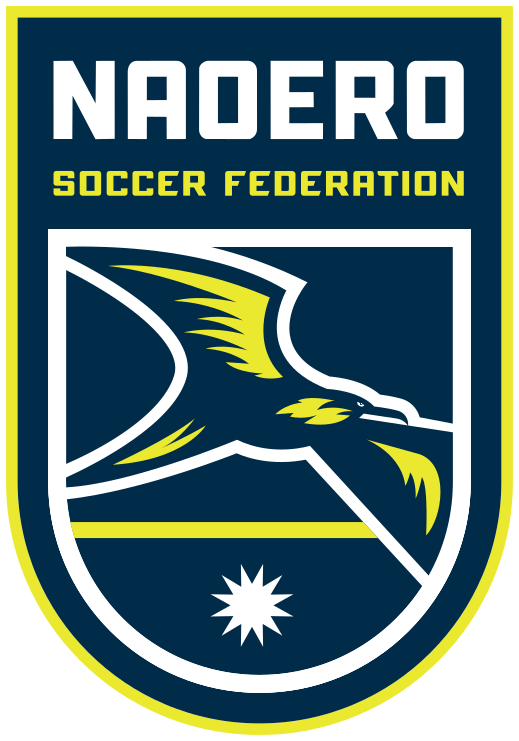
 Naoero Soccer Federation
About us · History · Culture
Our story
How football arrived late on Pleasant Island, why it is here to stay, and the island it belongs to.
About the NSF
Starting from zero, with everything to play for
Naoero is one of the few UN member states that is not a member of FIFA, and the only one never to have played a representative match. Australian Rules Football is the national sport. Football is widely watched, but there are few opportunities to play it, in schools or in organised competition, partly because the island has no football pitch.
The Naoero Soccer Federation is rooted in the country's boldness (anga eiy), bravery (timu) and resilience (anga dogin oeo). Setting up a sustainable and lasting football structure is not an everyday task: we literally start from zero, in a country that has a lot to offer, but also a lot to suffer.
There is momentum. Football is on the rise in neighbouring Pacific nations such as Kiribati, Tuvalu, Niue and the Marshall Islands, and it is emerging in countries where climate change threatens their very existence. That calls for action on climate resilience and for something that sets the stage for international attention: football.
We always work in accordance with local customs and networks on Naoero, its Oceanian diaspora and our worldwide football-loving community. Our main goal is a lasting legacy for the girls and boys of Naoero.
Timeline
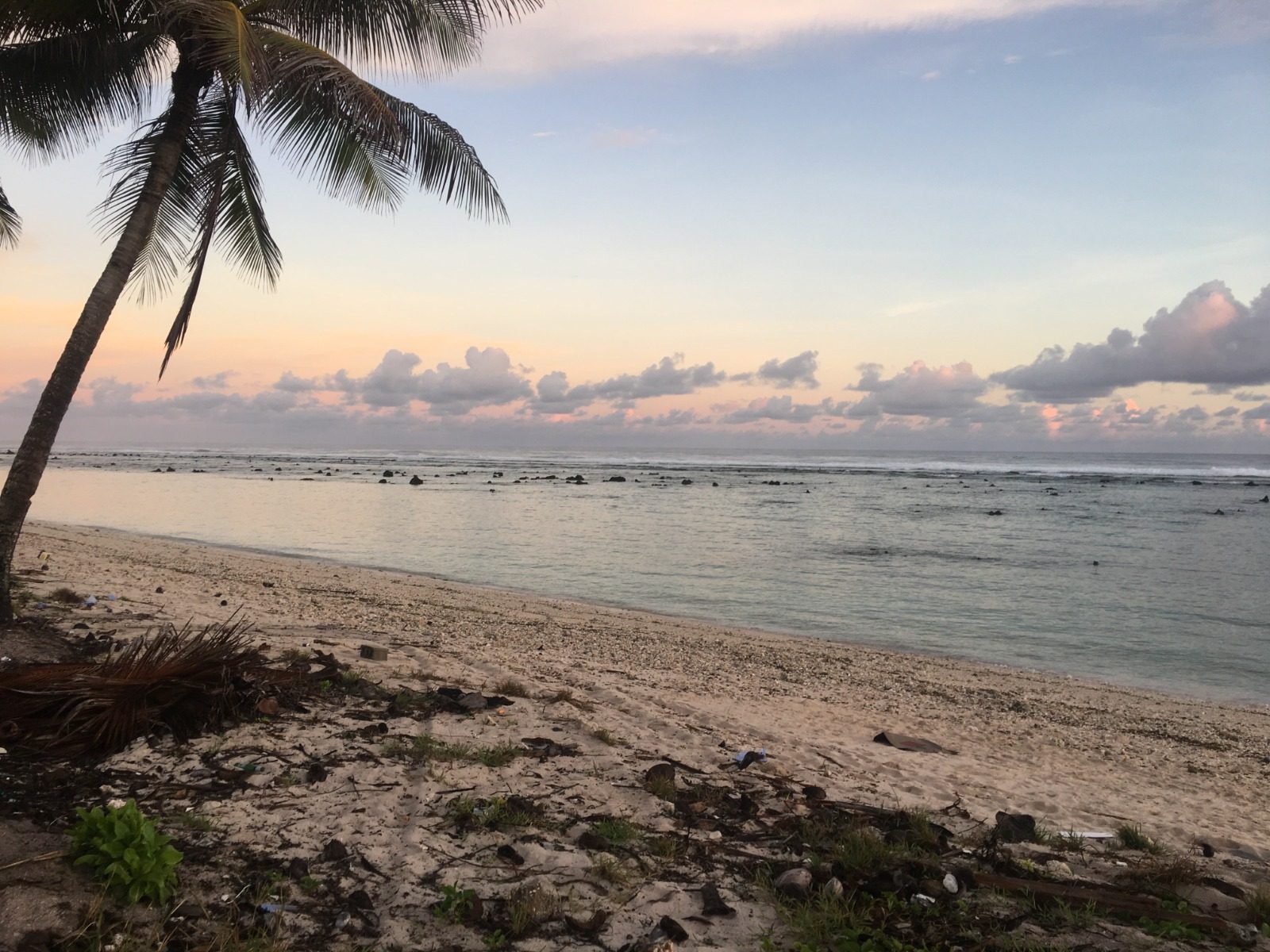
Pleasant Island
British captain John Fearn sights Naoero and names it Pleasant Island. Twelve tribes have lived here for thousands of years.
Colonial rule begins
Germany annexes the island; after 1914 it passes to Australian, British and New Zealand administration. Football never takes hold. Australian Rules becomes the dominant sport.
Phosphate
Mining begins on Topside, the island's interior plateau. It will shape Naoero's economy, landscape and population for a century.
The miners' league
Workers from other Pacific islands, employed in the phosphate mines, set up a six-team football league. It fades away together with the mining.
Independence
On 31 January Naoero becomes the world's smallest independent republic. Organised football stays almost undocumented, apart from two representative matches.
Interest returns
The Nauru Amateur Soccer Association and the Nauru Soccer Association are formed. Neither manages to organise matches.
The NSF is founded
The Naoero Soccer Federation is established under the Naoero Olympic Committee, with members inside and outside the country.
Crest and kit
A new crest and the first national kit in Naoero's history, made with kit partner Stingz.
One Child One Ball
The federation launches its first campaign: an eco-friendly football for every child on Naoero aged 4 to 14.
Meaningful relationships
The NSF global members visit Naoero to pave the way for our first Grassroots Programme.
What our colours mean
A flag you can read like a map
The blue
The Pacific Ocean on every side. On Naoero the sea is road, pantry and horizon, and it is the ground colour of our shirt.
The gold line
The equator. Naoero lies just south of it, which is why the star sits below the line. On this site the line doubles as the halfway line of a pitch.
The white star
The island itself, placed where it sits on the globe: a little south of the line and west of the date line.
Traditions we carry
Older than any scoreboard
The frigatebird
The frigatebird flies on our crest and stands on Naoero's coat of arms. For centuries Naoeroans have caught and tamed these great seabirds, a contest of skill, patience and pride between families and districts. It is the island's oldest sport.
String figures
Naoero is renowned across the Pacific for its string figures: intricate patterns stretched between the hands, each telling a story. The line patterns between the sections of this site are drawn from that tradition.
Angam Day, 26 October
Angam means homecoming and celebration. The day marks the moments the Naoeroan people reached 1,500, the number judged necessary to survive, first in 1932 and again in 1949 after the losses of the war years. It is a national day of resilience.
Topside and the pinnacles
A century of phosphate mining left the interior a forest of limestone pinnacles. It is part of who we are: an island that gave a great deal and is now building something of its own.
Cultural content on this page is shared with respect and reviewed with people on Naoero. If you see something that should be told differently, tell us.